
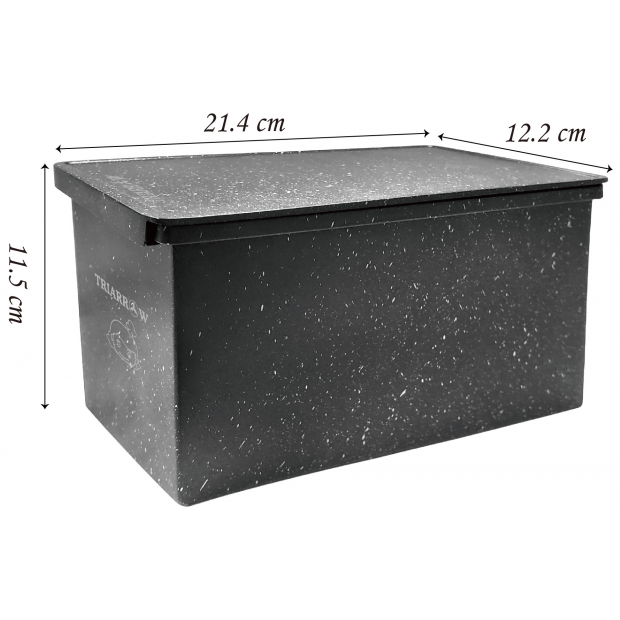


TR-KK450
Cast Aluminium Bread Toast Mold set
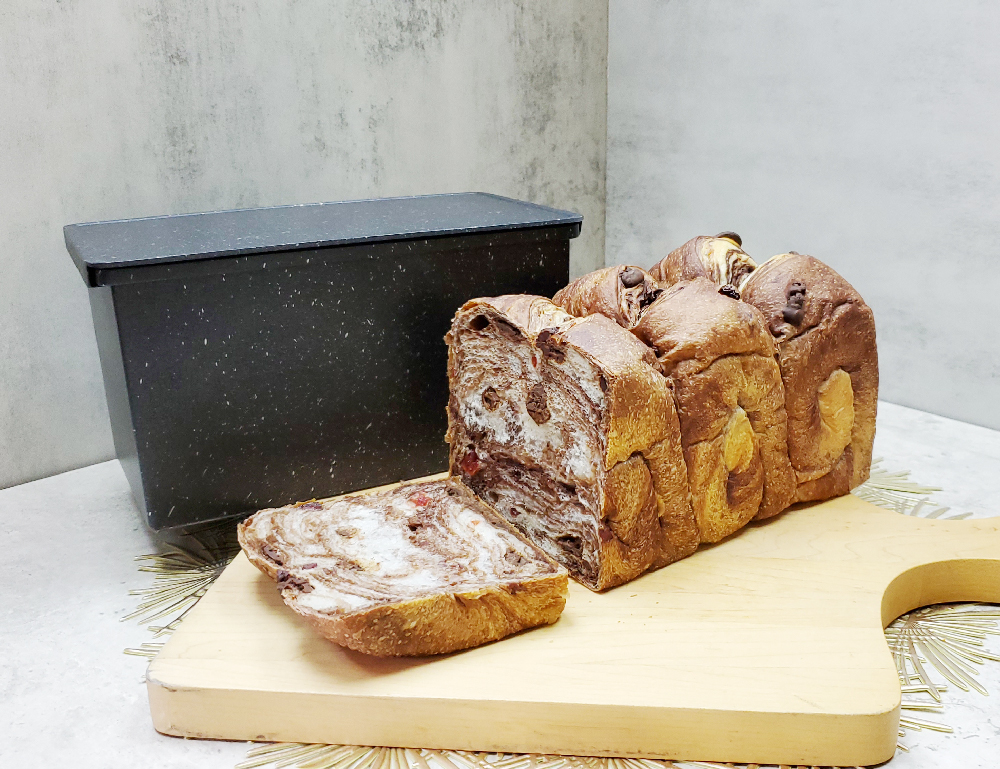
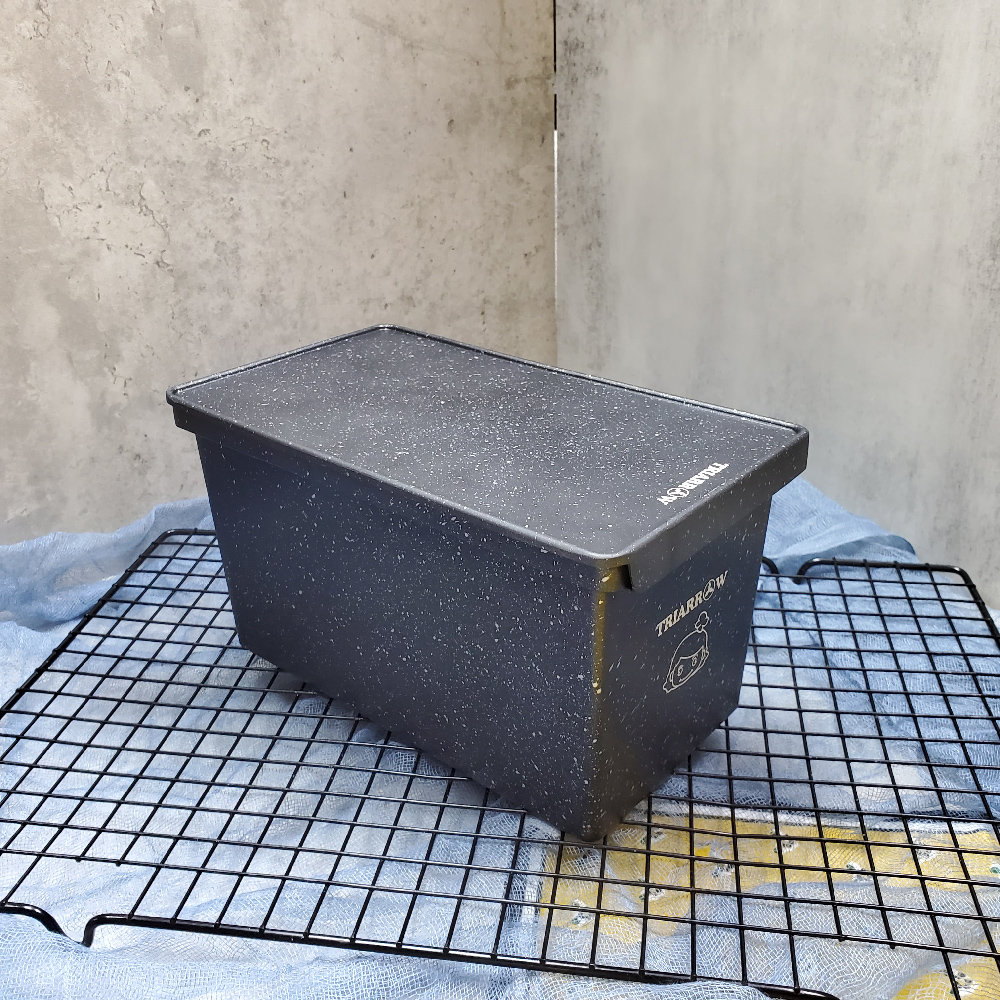
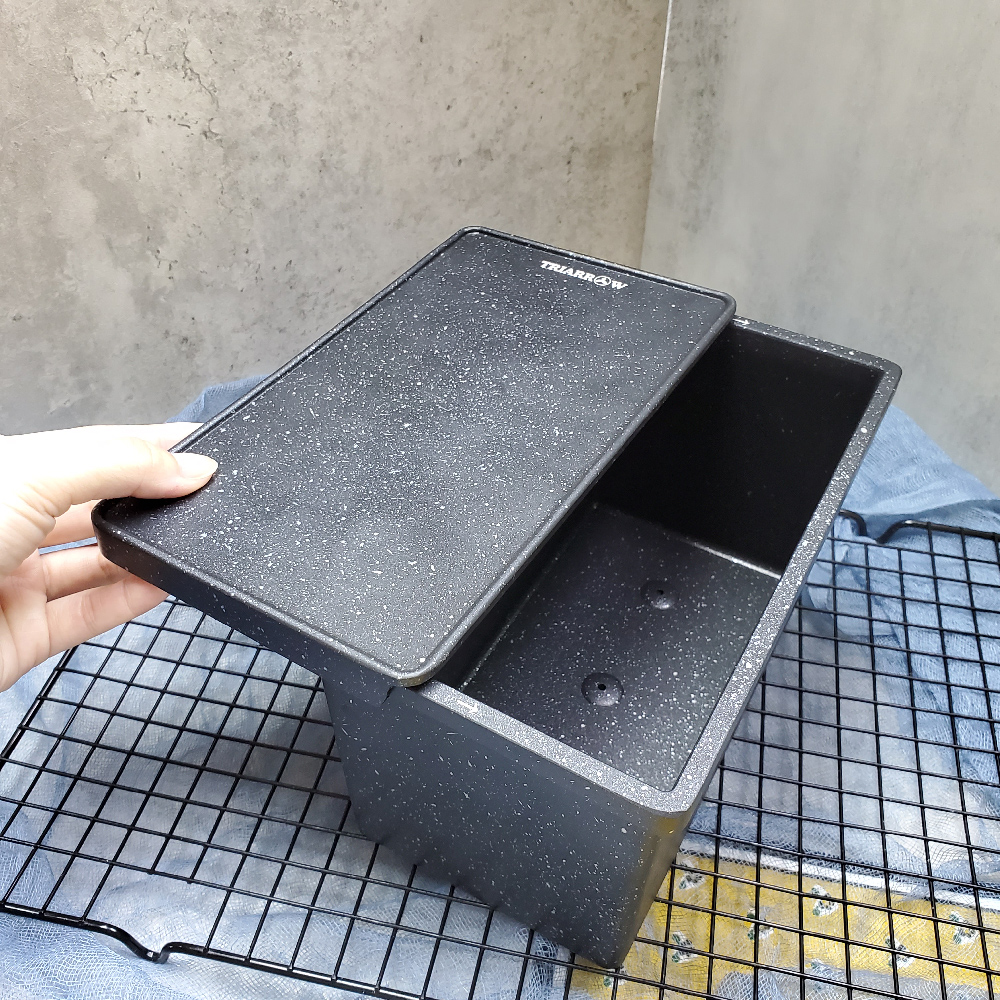
This professional baking mold is specially designed for low-sugar toast. It uses an extra-thick aluminum die-casting process, ensuring even heat distribution, saving energy and time. The optimized non-stick surface makes it easy to clean. The ergonomic design of the lid and body allows for easy opening and closing. Ventilation holes ensure even baking for a better texture.
Product Specifications
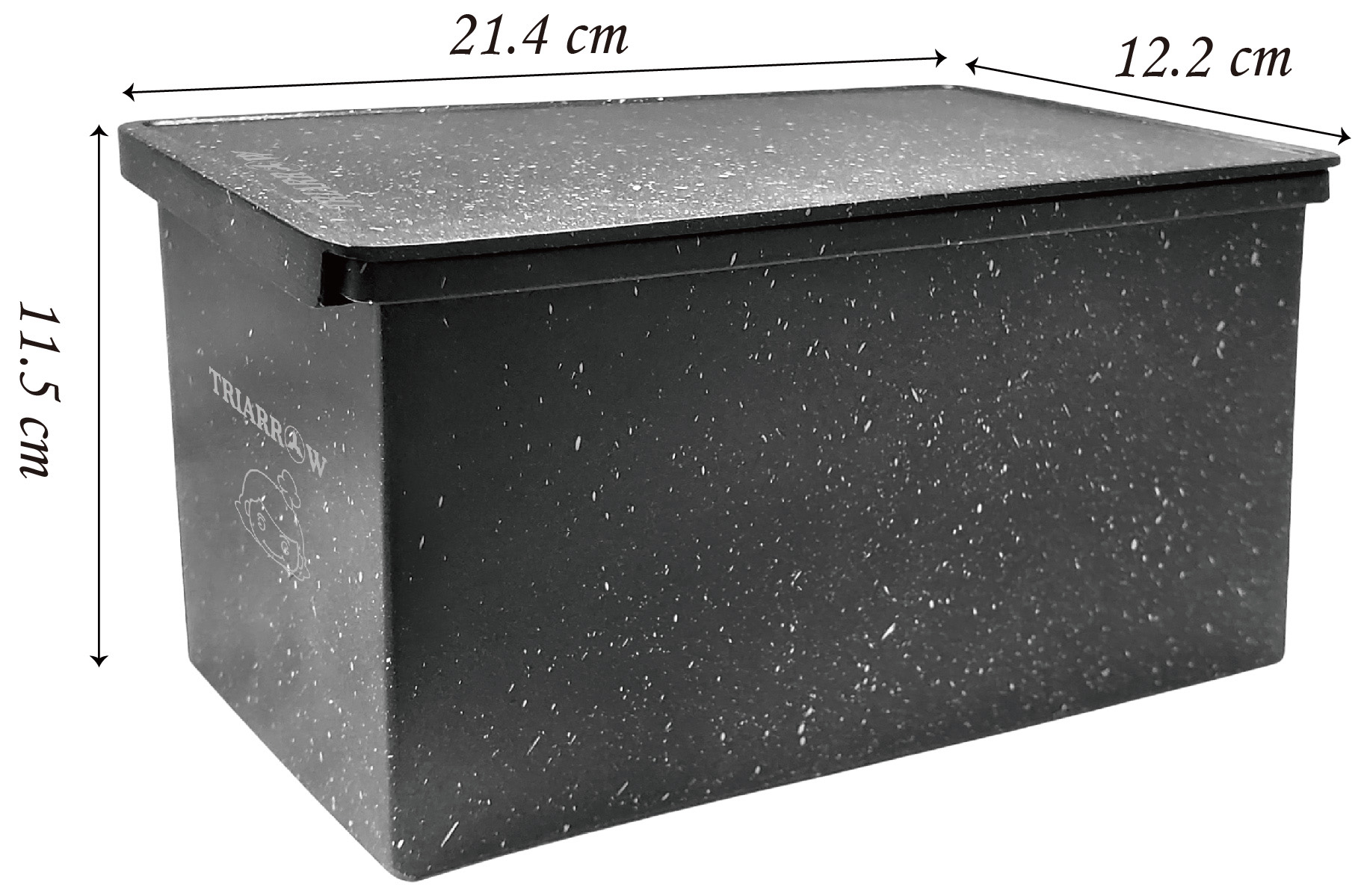
- Dimensions (Mold Body + Lid Set): 214 × 122 × 115 mm ±3%
- Inner Diameter of Mold Body: 196 × 106 × 109 mm ±3%
- Capacity: Makes 450g toast
- Material: Aluminum alloy plate + PTFE (Polytetrafluoroethylene)
- Temperature Resistance: 250℃
- Features:
- Extra-thick aluminum die-casting, one-piece molding
- Specialized mold surface suitable for low-sugar toast
- Even heat distribution, reducing baking time by approximately 20%
- Optimized non-stick surface, smooth and easy to clean
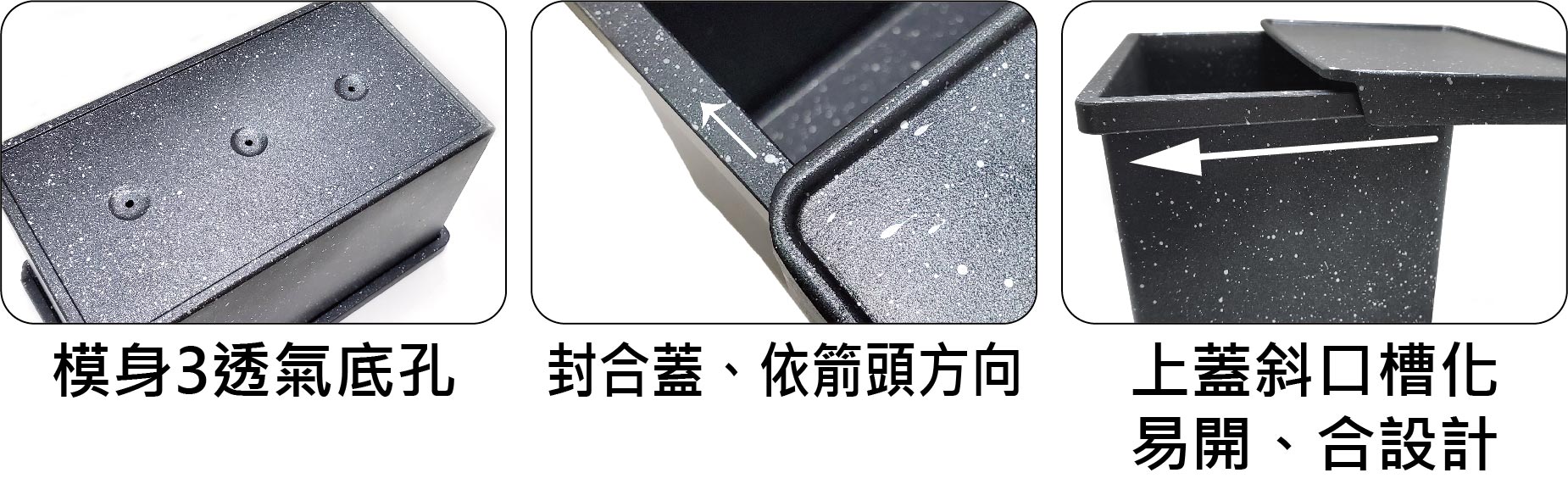
- Side-sloping grooved design on the lid for easy opening and closing
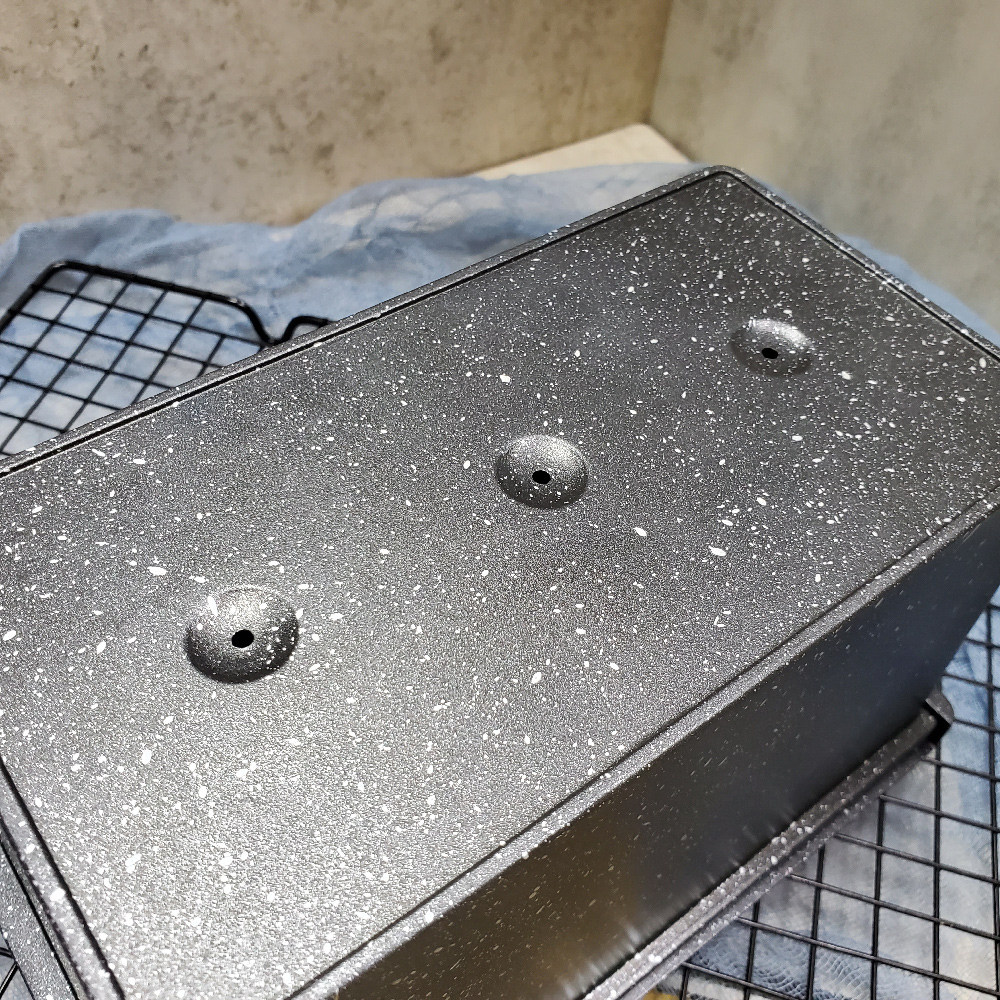
- 3 ventilation holes in the mold body for even baking
Instructions for Use
- The baking mold must be completely cooled before washing to avoid damage to the coating caused by high or low temperatures.
- Do not use sharp objects, scouring pads, scrubbing cloths, or chemical cleaners when cleaning.
- If food is stuck to the mold, soak it in cold water for a few minutes before washing.
- After washing, dry it and store it in a cool, dry place.
- When not in use for a long time, you can bake it at a low temperature (80℃ for about 5-10 minutes) before sealing and storing it.
- Avoid collisions and friction that may wear down the non-stick coating.
Maintenance and Precautions
- Using the mold at temperatures below 250℃ can extend the life of the non-stick coating.
- Avoid uneven heating; do not bake in a single spot on the gas stove.
- Do not microwave or dry bake.
- Do not leave baked or unbaked ingredients in the mold for extended periods.
- When making low-oil pastries, you can apply a small amount of cooking oil to enhance the non-stick effect.